
Complete Guide to Electric Ovens: Your Essential Kitchen Companion
Introduction to Electric Ovens
The electric oven stands as one of the most essential appliances in modern kitchens worldwide. From baking delicate pastries to roasting succulent meats, the electric oven provides consistent, reliable heat that transforms raw ingredients into culinary masterpieces. This comprehensive guide covers everything you need to know about electric ovens, helping you make informed decisions and maximize your cooking potential. Electric ovens have evolved significantly since their invention in the late 19th century. Today's models offer precise temperature control, multiple cooking modes, and advanced features that make cooking easier and more enjoyable than ever before.Understanding Electric Oven Technology
How Electric Ovens Generate Heat
Electric ovens convert electrical energy into heat through resistance heating elements. When electricity flows through these elements, typically made of nickel-chromium alloy, resistance causes them to heat up and radiate thermal energy throughout the oven cavity. Most electric ovens feature two main heating elements: Bake Element: Located at the bottom of the oven, this element provides the primary heat source for baking. It radiates heat upward, cooking food from below. Broil Element: Positioned at the top of the oven, this element provides intense direct heat for broiling and browning. It's ideal for finishing dishes or cooking foods that benefit from top-down heat.Types of Electric Ovens
Understanding the different types helps you choose the right oven for your needs: Conventional Electric Ovens: These traditional ovens rely on radiant heat from top and bottom elements. Heat rises naturally, which can result in temperature variations within the cavity. Convection Electric Ovens: Equipped with one or more fans, convection ovens circulate hot air throughout the cavity. This results in more even cooking, faster cooking times, and better browning. True Convection (European Convection): These ovens feature a third heating element surrounding the fan, providing even more consistent heat distribution. Steam Ovens: Combining electric heating with steam injection, these ovens offer moist cooking environments ideal for bread, vegetables, and delicate proteins. Combination Ovens: Multi-function ovens that combine conventional, convection, steam, and microwave technologies in a single unit.Single vs. Double Ovens
Your cooking habits determine which configuration suits you best: Single Ovens: Compact and space-efficient, single ovens work well for smaller households or kitchens with limited space. They typically offer 2-5 cubic feet of cooking capacity. Double Ovens: Featuring two separate cooking compartments, double ovens allow simultaneous cooking at different temperatures. Ideal for large families or those who frequently entertain. Double Oven Ranges: Combining a cooktop with two oven compartments, these units maximize functionality while minimizing floor space.Key Features to Consider
Temperature Control and Accuracy
Precise temperature control is crucial for successful cooking: Digital Controls: Modern electric ovens feature digital displays and electronic controls that allow precise temperature settings, often in 5°F increments. Temperature Probes: Built-in meat probes monitor internal food temperature and automatically adjust cooking or alert you when food reaches the desired doneness. Calibration Options: Quality ovens allow temperature calibration to ensure accuracy over time. Rapid Preheat: Some models offer quick preheat functions that reach cooking temperature faster than standard preheating.Cooking Modes and Functions
Today's electric ovens offer numerous cooking modes: Bake: Standard baking using bottom element heat, ideal for cakes, cookies, and casseroles. Convection Bake: Combines bottom element heat with fan circulation for even baking and reduced cooking times. Roast: Uses both elements with higher bottom heat, perfect for meats and vegetables. Convection Roast: Adds fan circulation to roasting for crispier exteriors and juicier interiors. Broil: Intense top-down heat for browning, melting cheese, or cooking thin cuts of meat. Warm: Low-temperature setting for keeping food warm without overcooking. Proof: Gentle heat for proofing bread dough. Dehydrate: Low, consistent heat for drying fruits, vegetables, and making jerky. Self-Clean: High-temperature cycle that burns off food residue for easier cleaning. Steam Clean: Lower-temperature cleaning option using water and steam.Capacity and Interior Design
Consider how much cooking space you need: Cubic Footage: Standard single ovens range from 2.5 to 5.8 cubic feet. Larger capacities accommodate bigger dishes and multiple items. Rack Positions: Multiple rack positions provide flexibility for different cooking scenarios. Look for at least 5-6 positions. Rack Types: Standard racks, gliding racks, and split racks offer different functionality. Gliding racks extend smoothly for easy access to heavy dishes. Interior Coating: Porcelain enamel interiors resist staining and clean easily. Some models feature catalytic liners that absorb grease splatter.Safety Features
Modern electric ovens incorporate numerous safety features: Automatic Shut-Off: Turns off the oven after extended periods of inactivity. Door Lock: Prevents door opening during self-clean cycles or when activated manually. Cool-Touch Doors: Multi-pane glass doors remain cool to the touch during operation. Child Lock: Disables controls to prevent accidental activation. Residual Heat Indicators: Display warnings when the oven interior remains hot after cooking.Installation Considerations
Electrical Requirements
Electric ovens have specific electrical needs: Voltage: Most residential electric ovens require 240-volt circuits (208V in some areas). Amperage: Standard ovens need 40-50 amp circuits, while larger models may require 60 amps. Dedicated Circuit: Electric ovens should have their own dedicated circuit, not shared with other appliances. Outlet Type: Ensure your outlet matches the oven's plug configuration (typically NEMA 14-50 or 14-30).Ventilation Requirements
Proper ventilation ensures safe operation: Clearance Space: Maintain recommended clearances from walls, cabinets, and other surfaces as specified in the installation manual. Range Hoods: While not always required, range hoods help remove heat, moisture, and cooking odors. Ventilation Ducts: Ensure any required ventilation ducts are properly installed and unobstructed.Built-In vs. Freestanding
Choose the installation type that fits your kitchen: Freestanding Ranges: Combine cooktop and oven in a single unit that stands independently. Easy to install and relocate. Slide-In Ranges: Similar to freestanding but designed to fit flush with countertops for a built-in appearance. Wall Ovens: Installed in cabinetry at a convenient height, separate from the cooktop. Ideal for ergonomic access. Drop-In Ranges: Designed to drop into a cabinet cutout, creating a seamless look with surrounding countertops.Mastering Electric Oven Cooking
Understanding Heat Distribution
Knowing how heat moves in your oven improves results: Hot Spots: Most ovens have areas that run hotter than others. Identify these spots by baking a sheet of biscuits and noting which brown faster. Rack Position Effects: Lower racks provide more bottom heat (good for pizza and pie crusts), while upper racks offer more top heat (ideal for broiling and browning). Door Opening Impact: Each time you open the door, temperature drops 25-50°F. Minimize door opening during cooking.Baking Techniques
Achieve perfect baked goods with these techniques: Proper Preheating: Always preheat your oven fully before baking. Most ovens need 15-20 minutes to stabilize at the set temperature. Pan Placement: Center pans in the oven with at least 2 inches of space on all sides for proper air circulation. Rotating Pans: Rotate pans 180 degrees halfway through baking for even browning, especially in conventional ovens. Oven Thermometer: Use an oven thermometer to verify actual temperature matches the setting. Altitude Adjustments: At high altitudes, increase temperature by 15-25°F and reduce baking time.Roasting Techniques
Master the art of roasting: Room Temperature Start: Allow meats to come to room temperature before roasting for more even cooking. Searing First: For extra flavor, sear meats on the stovetop before transferring to the oven. Rack Placement: Place roasts on a rack in a roasting pan to allow air circulation underneath. Resting Period: Let roasted meats rest for 10-20 minutes after cooking to allow juices to redistribute. Basting: Baste periodically with pan juices for added moisture and flavor.Broiling Techniques
Broiling requires attention and technique: Preheat the Broiler: Allow 5-10 minutes for the broil element to reach maximum temperature. Door Position: Some ovens require the door to be slightly ajar during broiling. Check your manual. Distance from Element: Position food 3-6 inches from the broil element depending on thickness and desired browning. Watch Carefully: Broiling happens quickly. Stay nearby and check frequently to prevent burning. Use Appropriate Pans: Use broiler-safe pans that can withstand high heat without warping.Convection Cooking Guide
Benefits of Convection
Convection cooking offers several advantages: Even Cooking: Circulating air eliminates hot spots, ensuring uniform cooking throughout. Faster Cooking: Improved heat transfer reduces cooking times by approximately 25%. Better Browning: Moving air promotes Maillard reaction for superior browning and crisping. Multi-Rack Cooking: Even heat distribution allows cooking on multiple racks simultaneously. Energy Efficiency: Shorter cooking times and lower temperatures reduce energy consumption.Adapting Recipes for Convection
When converting conventional recipes to convection: Temperature Reduction: Lower the temperature by 25°F from the conventional setting. Time Reduction: Reduce cooking time by approximately 25%, or use the lower temperature with standard time. Check Early: Begin checking for doneness earlier than the recipe indicates. Pan Selection: Use low-sided pans to maximize air circulation benefits.When to Use Convection
Convection excels for certain foods: Ideal for Convection:- Roasted meats and poultry
- Roasted vegetables
- Cookies and pastries
- Pizza
- Toasting and browning
- Dehydrating
- Delicate cakes and soufflés
- Custards and flans
- Quick breads
- Foods covered with foil
Maintenance and Care
Daily Cleaning Habits
Regular maintenance keeps your oven performing well: Wipe Spills Immediately: Clean spills as soon as the oven cools to prevent baked-on residue. Use Oven Liners: Place liners on the bottom rack (not directly on the element) to catch drips. Clean Door Glass: Wipe the glass door inside and out to maintain visibility and appearance. Check Elements: Periodically inspect heating elements for damage or debris.Deep Cleaning Methods
Thorough cleaning maintains performance and hygiene: Self-Clean Cycle: This high-temperature cycle (800-900°F) incinerates food residue into ash. Remove racks first, ensure good ventilation, and wipe out ash after cooling. Steam Clean: A gentler option using water and lower heat to loosen residue. Requires manual wiping afterward. Manual Cleaning: For regular maintenance, use appropriate oven cleaners or natural solutions like baking soda paste. Rack Cleaning: Soak racks in hot soapy water, scrub with non-abrasive pads, or run through the self-clean cycle if manufacturer-approved.Troubleshooting Common Issues
Address problems promptly to maintain performance: Uneven Cooking: Check for blocked vents, verify element function, and consider using an oven thermometer to check temperature accuracy. Oven Not Heating: Verify power supply, check circuit breaker, inspect heating elements for visible damage. Temperature Inaccuracy: Calibrate the oven using the built-in calibration feature or call for professional service. Door Not Sealing: Inspect door gasket for damage or debris. Replace if worn or damaged. Strange Odors: New ovens may emit odors during initial use. Persistent odors may indicate electrical issues requiring professional attention.Energy Efficiency Tips
Reducing Energy Consumption
Maximize efficiency with these practices: Batch Cooking: Cook multiple items together to maximize each heating cycle. Proper Preheating: Don't preheat longer than necessary. Most ovens are ready in 15-20 minutes. Keep Door Closed: Avoid opening the door unnecessarily during cooking. Use Residual Heat: Turn off the oven a few minutes early and let residual heat finish cooking. Match Pan Size: Use appropriately sized pans for the food quantity to maximize heat absorption. Convection When Possible: Use convection mode to reduce cooking times and temperatures.Choosing Energy-Efficient Models
When purchasing, consider: Energy Star Certification: Look for Energy Star certified models that meet strict efficiency guidelines. Insulation Quality: Better insulation retains heat more effectively, reducing energy needs. Convection Capability: Convection ovens generally use less energy due to faster cooking times. Size Appropriateness: Choose a size that matches your typical cooking needs. Larger ovens use more energy.Electric Oven vs. Gas Oven
Advantages of Electric Ovens
Electric ovens offer several benefits: Even Heat Distribution: Electric elements provide more consistent heat than gas burners. Precise Temperature Control: Digital controls allow exact temperature settings. Dry Heat: Electric ovens produce drier heat, beneficial for baking and crisping. Easier Installation: No gas line required, just appropriate electrical service. Lower Upfront Cost: Generally less expensive to purchase than comparable gas models. Easier Cleaning: Smooth surfaces and self-clean options simplify maintenance.Considerations
Some factors to weigh: Operating Costs: Electricity costs vary by region. In some areas, gas is more economical. Heat Response: Electric elements respond more slowly to temperature changes than gas. Power Outages: Electric ovens don't function during power outages. Moisture: Electric ovens produce less moisture, which may affect some recipes.Advanced Features in Modern Electric Ovens
Smart Oven Technology
Connected ovens offer new capabilities: WiFi Connectivity: Control and monitor your oven remotely via smartphone apps. Voice Control: Integration with smart home systems enables voice-activated operation. Remote Diagnostics: Manufacturers can diagnose issues remotely, streamlining service. Recipe Integration: Download recipes directly to the oven with automatic temperature and time settings. Camera Monitoring: Some models include interior cameras for remote food monitoring.Specialized Cooking Modes
Advanced ovens offer specialized functions: Air Fry Mode: Combines convection with high heat for air fryer-like results. Bread Proofing: Precise low-temperature control for optimal yeast activation. Slow Cook: Extended low-temperature cooking similar to a slow cooker. Sous Vide: Precise temperature control for sous vide-style cooking. Pizza Mode: Optimized heat distribution for perfect pizza crusts.Selecting the Right Electric Oven
Assessing Your Needs
Consider these factors when choosing: Cooking Habits: How often do you cook? What do you typically prepare? Household Size: Larger families need more capacity for bigger dishes and batch cooking. Kitchen Space: Measure available space carefully, including clearances. Budget: Determine your budget for both purchase and installation costs. Feature Priorities: Identify must-have features versus nice-to-have options.Brand Considerations
Research brands for quality and reliability: Warranty Coverage: Look for comprehensive warranties covering parts and labor. Service Availability: Ensure authorized service providers are available in your area. Customer Reviews: Read reviews from actual users for real-world performance insights. Longevity Reputation: Some brands are known for producing longer-lasting appliances.Conclusion
The electric oven remains an indispensable kitchen appliance, offering reliable, consistent cooking performance for everything from everyday meals to special occasion feasts. Understanding how electric ovens work, what features matter most, and how to use them effectively empowers you to achieve excellent cooking results. Whether you're replacing an old oven or purchasing your first one, consider your cooking habits, kitchen space, and budget to find the perfect match. With proper use and maintenance, a quality electric oven will serve your culinary needs for many years. Embrace the versatility of your electric oven, experiment with different cooking modes, and discover the joy of creating delicious meals for family and friends. The electric oven is more than an appliance—it's the heart of your kitchen where culinary creativity comes to life.Related News
Discover insights, trends, and stories from our team. Stay updated with the latest news and expert perspectives on design, technology, and innovation.
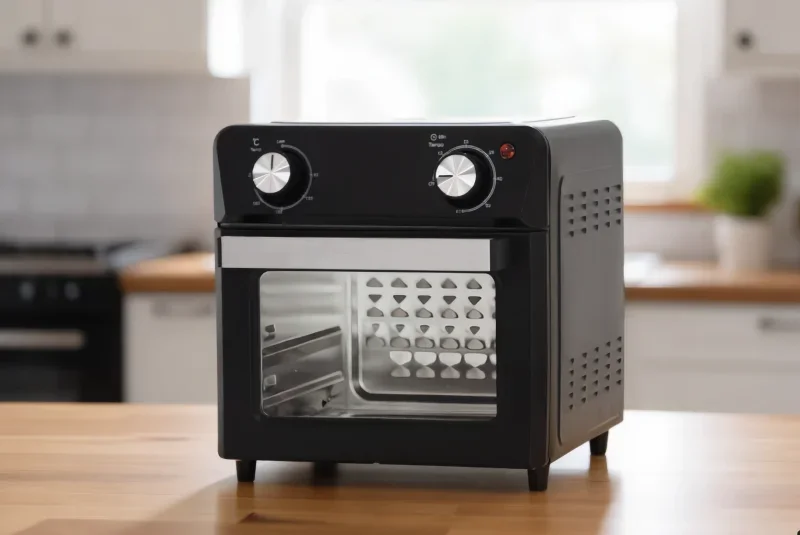
The Ultimate Guide to Airfryer Ovens: Everything You Need to Know in 2025
Introduction to Airfryer Ovens The airfryer oven has revolutionized modern kitchens, offering a healthier alternative to traditional deep frying while delivering the same crispy, delicious results. This comprehensive guide explores everything you need to know about airfryer ovens, from how they wor...
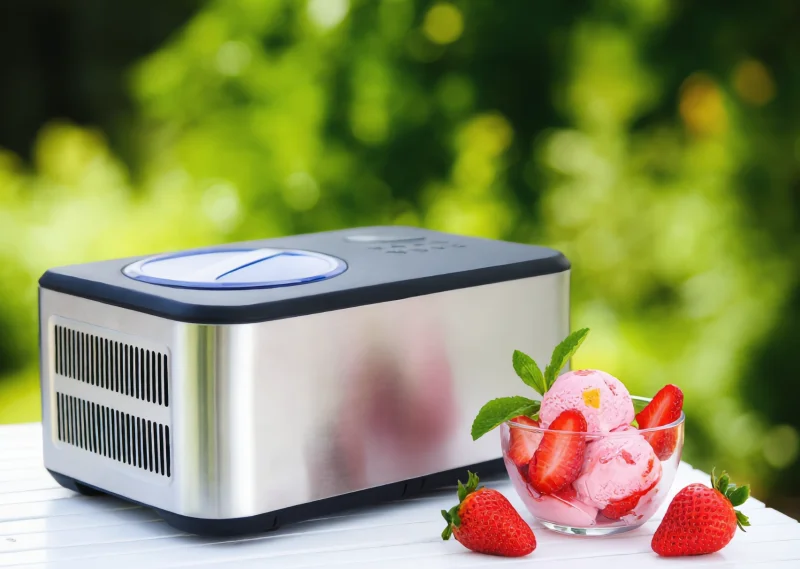
The Complete Guide to Ice Cream Makers: Create Delicious Frozen Treats at Home
Introduction to Ice Cream Makers There's something magical about homemade ice cream. The rich, creamy texture, the ability to customize flavors, and the satisfaction of creating frozen treats from scratch make owning an ice cream maker a worthwhile investment for any dessert lover. This comprehensi...